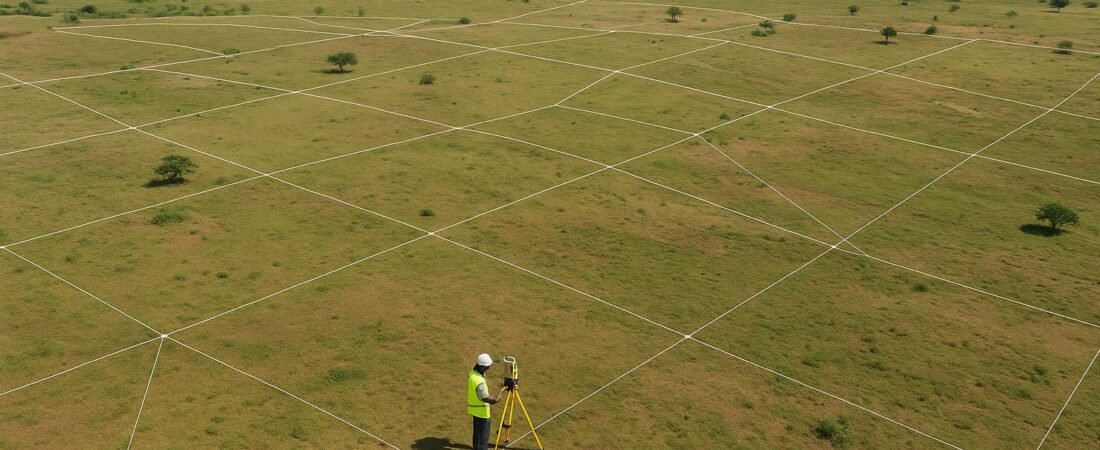
Land is one of the most sought-after investment assets in Kenya. Whether you’re planning to build a home, start a business, develop rental units, or simply invest for future appreciation, understanding what influences land prices can help you make smarter financial decisions.
One of the biggest misconceptions among first-time buyers is that land prices are determined only by location. While location is certainly important, many other factors—including infrastructure, accessibility, demand, zoning regulations, and available utilities—can significantly affect a property’s value.
As Kenya continues to invest in roads, transport networks, and urban development, land values in many regions have changed dramatically. Areas that were once considered remote have become attractive investment destinations because of improved infrastructure and growing demand.
This guide explores what affects land prices in Kenya and explains the key factors every buyer and investor should consider before making a purchase.
1. Location
Location remains the single most important factor influencing land prices.
Land located near major towns, cities, and commercial centres generally commands higher prices because of increased demand and better access to services.
For example, land in areas such as Westlands, Karen, Kilimani, and Lavington is significantly more expensive than land located farther from Nairobi’s urban centre.
Similarly, growing commuter towns such as Ruiru, Kitengela, Syokimau, Kikuyu, and Athi River have experienced rising land values due to improved accessibility and rapid residential development.
When evaluating a parcel of land, consider:
- Distance from major towns
- Accessibility
- Neighbourhood development
- Nearby businesses
- Population growth
2. Infrastructure Development
Infrastructure has a direct impact on land value.
Government investments in roads, highways, bypasses, railways, water supply, electricity, and internet connectivity often lead to increased property demand.
Examples of infrastructure that can influence prices include:
- Tarmac roads
- Bypass highways
- Public transport routes
- Water connections
- Electricity supply
- Fibre internet
- Sewer systems
Areas benefiting from new infrastructure projects frequently experience significant appreciation in land values over time.
3. Accessibility
Accessibility refers to how easily people can reach the property.
Land that is easy to access tends to attract more buyers than land with poor road connections.
Important considerations include:
- Road quality
- Public transport availability
- Travel time to major towns
- Proximity to highways
- Ease of access during rainy seasons
Good accessibility increases both residential and commercial development potential.
4. Demand and Supply
Like any market, land prices are influenced by demand and supply.
Where buyer demand is high and available land is limited, prices tend to increase.
Demand is often driven by:
- Population growth
- Urban expansion
- Employment opportunities
- Commercial development
- Educational institutions
Conversely, areas with abundant undeveloped land and lower demand may experience slower price growth.
5. Zoning and Land Use Regulations
Government zoning regulations determine how land may be used.
Some areas are designated for:
- Residential development
- Commercial use
- Industrial activities
- Agricultural purposes
- Mixed-use developments
Land that allows commercial or mixed-use development often commands higher prices because of its greater income-generating potential.
Before purchasing land, confirm the zoning regulations with the relevant county authorities to ensure your intended use is permitted.
6. Availability of Utilities
Access to essential services makes land more attractive to buyers and developers.
Utilities that influence land prices include:
- Water supply
- Electricity
- Sewer systems
- Fibre internet
- Street lighting
- Waste collection services
Developing land without these services can significantly increase construction costs, making serviced plots more valuable.
7. Security
Security plays a major role in property investment decisions.
Areas with:
- Low crime rates
- Gated communities
- Security patrols
- Good street lighting
- Active neighbourhood associations
often attract stronger buyer demand and higher land prices than less secure locations.
8. Economic Conditions
The overall economy has a significant influence on land prices in Kenya. When the economy is growing, businesses expand, employment increases, and more people are willing to invest in property. This often leads to higher demand for land and rising prices.
On the other hand, during periods of economic uncertainty, inflation, or reduced consumer spending, demand for land may slow down, causing prices to stabilize or grow at a slower rate.
Some economic factors that affect land prices include:
- Inflation
- Employment levels
- Economic growth
- Consumer confidence
- Investment trends
- Government policies
Keeping an eye on economic conditions can help investors determine the right time to buy or sell land.
9. Future Development Plans
Land often increases in value because of what is expected to happen in the future rather than its current condition. Government and private-sector development projects can significantly influence land prices, especially if they improve accessibility or attract businesses and residents.
Examples of developments that can increase land value include:
- New highways and bypasses
- Railway projects
- Shopping malls
- Universities
- Hospitals
- Industrial parks
- Business parks
- Residential estates
Before purchasing land, research planned developments in the surrounding area. Investing before major projects are completed can provide strong long-term returns if the area experiences increased demand.
10. Environmental Factors
The natural characteristics of land can also affect its market value. Buyers generally prefer land that is easy and cost-effective to develop.
Factors to consider include:
- Flat or sloping terrain
- Soil quality
- Drainage
- Flood risk
- Environmental conservation restrictions
- Availability of natural water sources
For example, land located in flood-prone areas may require additional construction costs, reducing its attractiveness to buyers and developers. Conducting a site visit before purchasing land allows you to identify potential environmental challenges that may not be obvious from photographs or advertisements.
11. Legal Documentation and Ownership
Clear ownership documentation is essential when determining the value of land. Buyers are often willing to pay more for land with verified legal documents because it reduces the risk of disputes and delays.
Before purchasing land, confirm that:
- The title deed is genuine.
- Ownership records are accurate.
- There are no legal disputes involving the property.
- Land rates and taxes are up to date where applicable.
- The property boundaries are clearly defined.
Working with a qualified advocate and conducting due diligence through the relevant government offices can help protect your investment.
Tips for Evaluating Land Before Buying
Understanding the factors that influence land prices is only part of the investment process. You should also evaluate each property carefully before making a purchase.
Here are some practical tips:
Research the Area
Visit the location and assess the surrounding neighbourhood. Look for signs of residential, commercial, or infrastructure development that could influence future land values.
Compare Prices
Review prices of similar plots in the same area. Comparing multiple listings helps you determine whether the asking price reflects current market conditions.
Verify Legal Documents
Never rely solely on verbal assurances. Confirm ownership, boundaries, zoning, and any restrictions before signing agreements or making payments.
Inspect Accessibility
Ensure the property has reliable road access throughout the year. Easy access increases both usability and resale potential.
Consider Long-Term Growth
Rather than focusing only on today’s prices, evaluate whether the area is likely to benefit from future infrastructure projects, population growth, or commercial development.
Why Use Just Homes?
Finding land in the right location is easier when using a trusted real estate platform. JustHomes offers verified land listings across Kenya, helping buyers compare properties and make informed investment decisions.
With Just Homes, you can:
- Browse verified land listings
- Search by location, price, and plot size
- Compare multiple properties
- Connect directly with trusted property agents
- Save favourite listings
- Receive alerts when new land becomes available
Whether you’re purchasing land to build a home, develop commercial property, or invest for future appreciation, Just Homes simplifies the search process.
Final Thoughts
Land remains one of Kenya’s most valuable long-term investments, but understanding what influences land prices is essential before making a purchase. While location continues to be the biggest driver of value, factors such as infrastructure, accessibility, demand, zoning regulations, available utilities, security, economic conditions, environmental features, and legal documentation all play an important role.
Successful land investment requires careful research, due diligence, and a long-term perspective. Buyers who take time to evaluate these factors are better positioned to make informed decisions and maximise the value of their investment.
Whether you’re buying your first plot or expanding your real estate portfolio, using a trusted platform like JustHomes can help you find verified land listings and connect with reliable property professionals across Kenya.
Call-to-Action (CTA)
Looking for land in Kenya? Explore verified land listings on Just Homes and compare plots by location, price, and size. Connect with trusted property agents, research promising investment areas, and find the right piece of land for your next home, business, or investment project.